
AESP Key Takeaways: Empowering Communities with AI
How AI is reshaping the way utilities engage with real people.
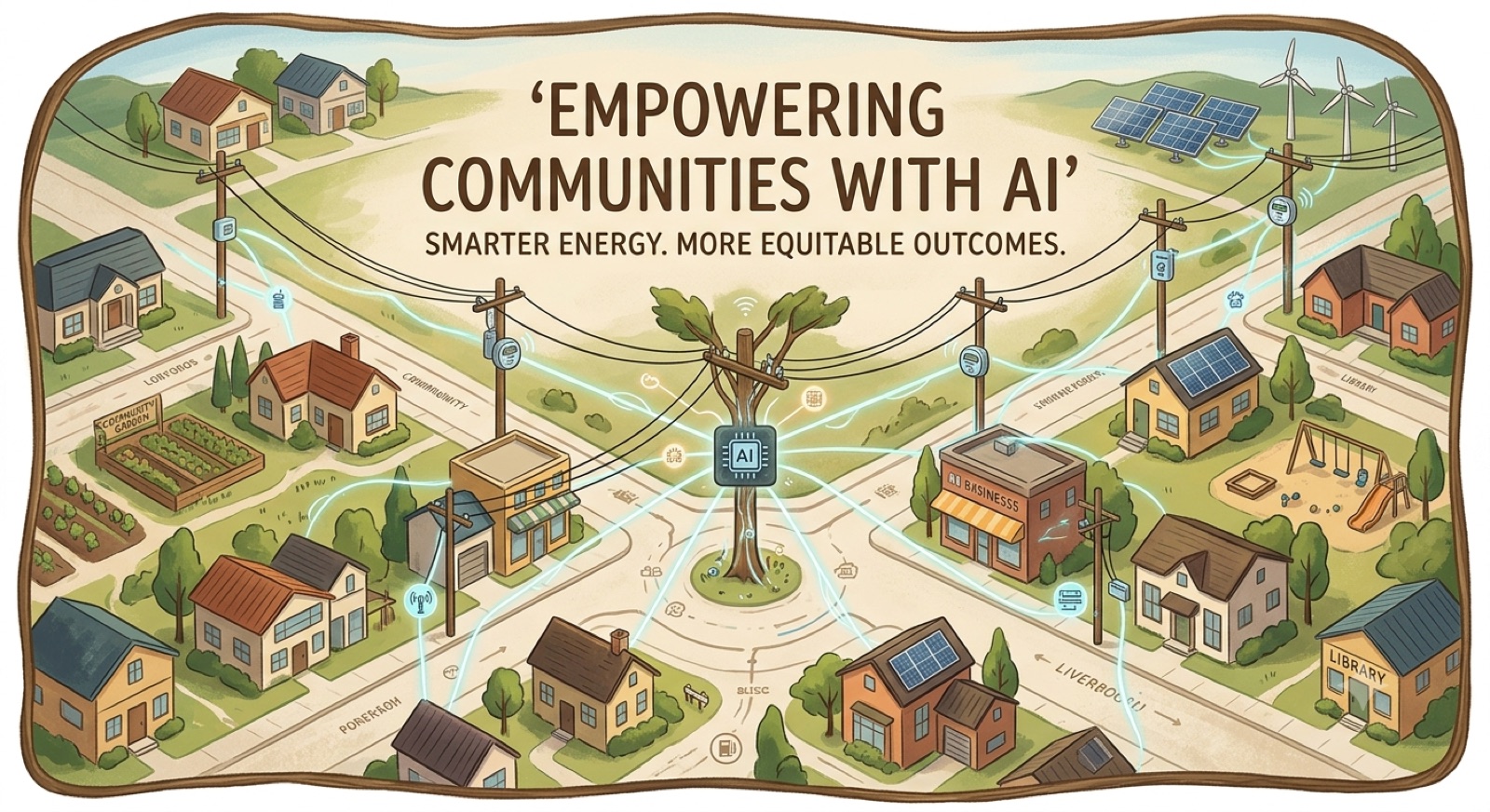



AI is everywhere. It’s in our homes, our workplaces, even in our grocery store recommendations (yes, AI knows about your late-night snack habits). But beyond the flashy headlines, AI has the potential to do something far more impactful... empower communities, drive equity, and make energy solutions smarter.
At this year’s AESP Annual Conference, the Empowering Communities with AI session, hosted by Ashley Santor, Co-Founder & CEO of Doer/Maker brought together industry leaders to explore how AI is reshaping the way utilities, contractors, and local governments engage with customers. The takeaway? AI isn’t just about automation—it’s about making energy solutions work for real people.
One of the biggest challenges in energy planning is forecasting who, where, and when electrification will happen - and AI is making that easier. By using machine learning models to analyze energy consumption, policy impacts, and economic factors, AI helps utilities predict future adoption trends, plan infrastructure investments, and ensure equitable access to clean energy solutions.
Translation? Less guesswork, more data-driven decisions, and a better understanding of where resources are needed most.
Customers don’t want generic energy tips - they want actionable, personalized insights. That’s where AI-driven engagement tools come in. Utilities are now using AI to:
Pinpoint high-energy users and offer tailored efficiency recommendations
Automate customer outreach based on actual energy behavior
Predict equipment failures before they turn into high-bill surprises
This approach isn’t just helping customers save energy - it’s also reducing call center volume, lowering truck rolls, and making utility programs more effective.
One of the most exciting applications of AI is its potential to close the energy equity gap. By analyzing financial, demographic, and housing data, AI can identify communities that need extra support - whether it’s targeted weatherization efforts, enhanced rebates, or customized electrification incentives.
For example, some utilities are using AI to map out which homes need insulation the most, ensuring that limited resources go where they’ll have the greatest impact. This kind of precision eliminates the one-size-fits-all approach and helps utilities prioritize vulnerable communities.
AI isn’t here to replace human expertise - it’s here to enhance it. The key is using AI strategically:
Start small. Test AI solutions in targeted programs before scaling.
Keep customers at the center. AI should simplify - not complicate - the customer experience.
Break down silos. AI is most powerful when utilities, contractors, and policymakers work together.
At the end of the day, AI is just a tool. How we use it determines whether it’s just another tech trend, or a game-changer, for communities.
So, what’s next? The industry is moving fast, and the smartest utilities are the ones that embrace AI with a clear goal in mind: delivering better, more equitable, and more efficient energy solutions.
No pressure. No hard sell. Just a real conversation.
Ready to make sense of your Marketing & Advertising efforts?